
Mortgages for second homes – A complete guide to securing your home from home.
Buying a second home in the UK, whether it’s a holiday cottage in the Cotswolds, a weekday pied-à-terre near London, or a property for your children to live in while at university, requires careful planning, including understanding the process to buy a second property and the importance of choosing the right mortgage type for your intended use. The mortgage landscape for second homes is different from your first purchase, with stricter lending criteria, larger deposits, and additional tax considerations.
At Fox Davidson, we’re expert mortgage brokers who specialise in arranging second home mortgages across the UK, typically from £250,000 upwards. We work with clients who have straightforward circumstances and those with more complex profiles such as company directors, self-employed professionals, and borrowers with multiple existing property commitments. In 2026, mortgage options for second homes are categorised based on intended use and have stricter criteria than for primary residences.
This guide walks you through everything you need to know about securing a second home mortgage: from understanding what counts as a second property to navigating stamp duty, affordability checks, and the practical realities of running two homes.
Fox Davidson are a specialist second home mortgage broker covering all areas of the UK. Call or send us an email to discuss your mortgage requirements in confidence with an FCA regulated mortgage broker.

Second home mortgages at a glance
Before diving into the detail, here’s what you need to know upfront about second home mortgages in the UK:
- Higher deposit requirements: Most lenders require a minimum deposit of 10% to 15% for second home mortgages, and may expect at least 15% to 25% deposit, with many favouring 25% or more for high-value properties or unusual locations. If you’re wondering how much deposit you’ll need, be prepared for these higher requirements. Lenders typically require a larger deposit for a second home mortgage than for a primary residence.
- Tighter affordability checks: Lenders stress-test your ability to afford both properties, including all monthly mortgage payments and other outgoings. Lenders may also require more cash reserves, such as 6 months of expenses, for second home financing.
- Additional stamp duty: A 3% stamp duty land tax surcharge applies in England and Northern Ireland on properties over £40,000 (with equivalent surcharges in Scotland and Wales)
- Higher interest rates: Interest rates on second-home mortgages are often similar to those for standard main residence mortgages.
- Stricter intended use rules: Lenders ask detailed questions about how you’ll use the property and get this wrong and you could breach your mortgage terms.
- Offset mortgages for second homes – It is possible to secure an offset mortgage on a second home, useful for those with large savings balances
Shopping around or using a mortgage broker can help you secure better rates for second home mortgages.
Fox Davidson provides tailored, FCA-regulated advice. We don’t offer tax advice, but we work alongside your accountant and solicitor to ensure the financial structure works for your circumstances.
📞 Call for immediate expert advice. 💻 Complete our enquiry form 📧 Email outline your requirements
What counts as a second home in the UK?
A second home is any residential property that is not your main residence and is primarily for your personal or family use. This differs fundamentally from an investment property where your main objective is generating rental income.
Common examples of second homes include:
- Holiday homes in popular UK locations like Cornwall, Devon, the Lake District, or the Scottish Highlands
- Weekday properties closer to work, particularly common for those who commute into London, Bristol, Manchester, or other major cities
- Properties for family members A home for children at university, an elderly relative, or other dependants
A second residential mortgage is distinct from a buy to let mortgage or a holiday let mortgage. With buy to let, lenders assess the loan primarily against projected rental income from longer-term tenancies. A holiday let mortgage covers short-term furnished lettings. A second home mortgage, by contrast, is underwritten based on your personal income and assumes the property won’t generate regular commercial income. Some lenders do allow second homes to be let out on a short term let basis for up to 90 days of the year.
Lenders ask detailed questions about the property’s intended use at application stage. If you tell them it’s for personal use but then run it as a full-time Airbnb rental, you may breach your mortgage conditions, potentially triggering the lender to call in the loan.
Fox Davidson help clients structure their borrowing correctly from the outset, matching the mortgage product to how the property will actually be used. This protects you from problems down the line and ensures you get a mortgage that fits your plans.
Can you get a mortgage on a second home?
Yes, you can usually get a mortgage on a second home if you meet lenders’ criteria, though it’s often more restrictive than financing your first home or even remortgaging your own home.
To get a second mortgage on a residential property, lenders typically look for:
- Strong, provable income: Whether employed, self-employed, or a company director, you’ll need clear evidence of sustainable earnings
- Good credit history: A clean record of managing existing mortgage commitments, credit cards, and other debts
- Manageable debt levels: Your total monthly repayments (including the proposed new mortgage) must leave sufficient disposable income
- Consistent payment history: Demonstrable track record of keeping up with your first mortgage and other financial obligations
Affordability checks for second homes are more demanding than for a primary residence. Lenders model both sets of mortgage payments at stressed interest rates, typically 6, 8% depending on market conditions, alongside council tax, utilities, insurance, and maintenance costs for both properties.
Some lenders apply minimum income thresholds for second home mortgages. For larger loans, you might see requirements for combined household incomes of £50,000 or more, though exact limits vary by lender and product.
The role of a specialist broker becomes particularly valuable when your circumstances are complex. Fox Davidson regularly place applications with lenders comfortable with:
- Company directors and business owners
- Self-employed professionals with variable income
- Borrowers with existing buy to let portfolios
- Those with multiple mortgage commitments already in place
Key costs when buying a second home
Beyond the purchase price itself, buying a second home involves several significant costs that you need to factor into your budget from the start.
Deposit
- Typical range: 10% – 25% of the purchase price as a minimum deposit
- Higher-value properties: Many lenders require 25%+ for expensive city properties or homes in unusual locations
- A larger deposit often secures better mortgage rates and demonstrates commitment to the lender
Stamp duty and purchase taxes
- England & Northern Ireland: 3% stamp duty surcharge on top of standard SDLT rates for properties over £40,000
- Scotland: Land and Buildings Transaction Tax with an Additional Dwelling Supplement
- Wales: Land Transaction Tax with higher rates for additional dwellings
- The total amount of Stamp Duty payable depends on the price of the property you buy, and surcharges vary by region. In England and Northern Ireland, buyers of second homes typically pay a 5% Stamp Duty surcharge.
Valuation and Legal Fees
- Valuation fees (lender’s valuation, plus any separate survey you commission)
- Legal fees and conveyancing
- Land Registry charges
- Broker fees (where applicable)
- Product fees—either added to the mortgage loan or paid upfront
Ongoing Costs
- Council tax on the second property (some local authorities charge premiums on second homes)
- Buildings and contents insurance—note that many policies have unoccupancy restrictions
- Utilities and regular maintenance
- Ground rent and service charges for leasehold properties
- A contingency fund for unexpected repairs
Tax Considerations
Tax treatment, including potential Capital Gains Tax when you sell, depends on your individual circumstances. We always recommend speaking with a chartered tax adviser before committing to a purchase.
📞 Call for immediate expert advice. 💻 Complete our enquiry form 📧 Email outline your requirements
Affordability and how much you could borrow
Lenders stress-test affordability for second home mortgages more rigorously than for primary residences. They need confidence that you can afford both properties if interest rates rise significantly.
How lenders calculate affordability
When assessing your mortgage application, lenders will:
- Model both mortgages at stressed rates (typically 6, 8% regardless of actual rates)
- Include all regular commitments: childcare costs, car finance, credit cards, school fees, existing buy to let or commercial borrowing
- Factor in running costs for both properties
- Apply income multiples – commonly 4 to 5.5x your income, though some lenders go higher for higher-earning professionals
What this means in practice
Consider a couple with combined income of £120,000 looking to buy a £500,000 second home with a £150,000 deposit. They’d be borrowing £350,000 (roughly 2.9x their income) which sits comfortably within most lenders’ parameters.
However, if they also have:
- a £400,000 mortgage on their main residence,
- car finance of £500 per month,
- childcare costs of £1,200 monthly,
the affordability picture becomes tighter. The lender needs to see that all these commitments remain manageable even at higher interest rates. Mortgage repayments for both properties are a key part of the affordability calculation, as lenders will assess whether you can keep up with all mortgage repayments to avoid the risk of repossession.
A mortgage calculator gives you a rough starting point, but every lender’s criteria differ. Fox Davidson run detailed affordability assessments against multiple lenders’ requirements to establish a realistic budget before you make an offer. This avoids wasted time on properties you can’t finance.
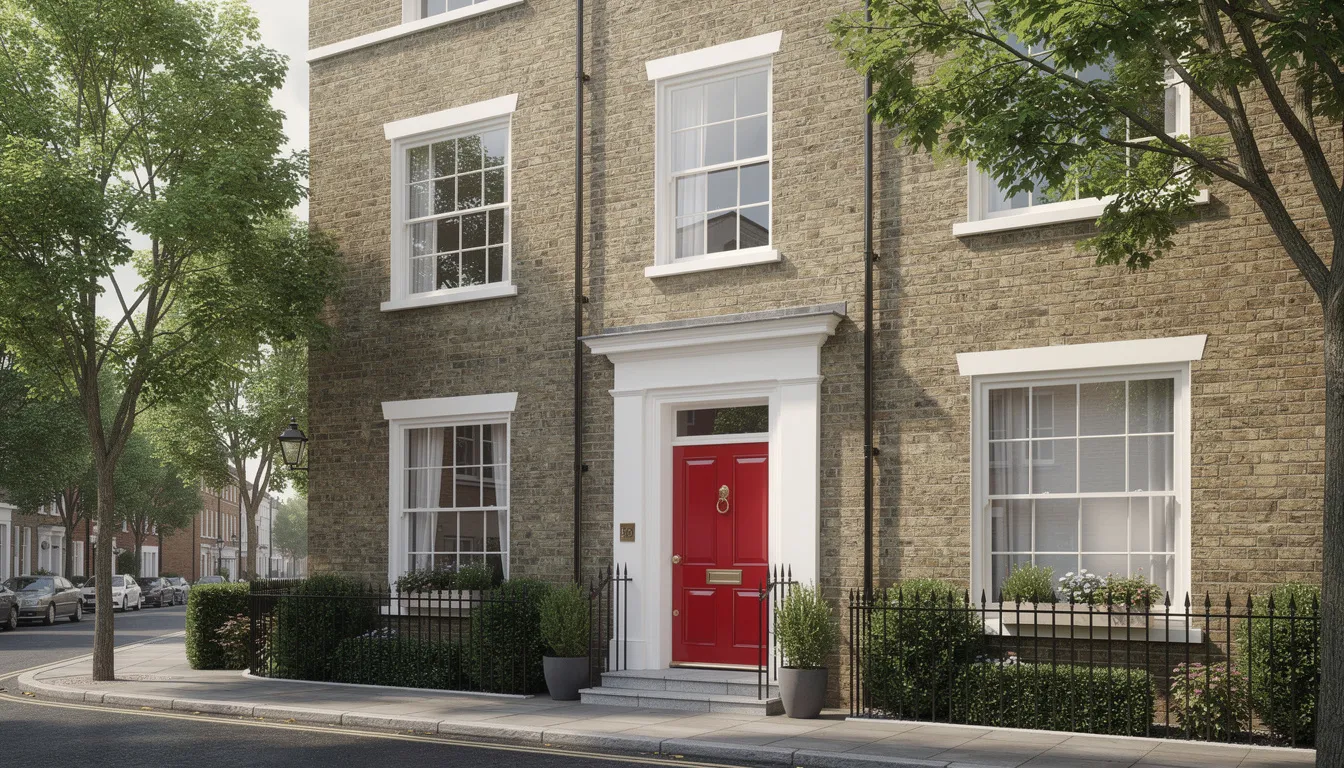
Second home vs buy to let vs holiday-let mortgages
The type of second home mortgage you can get depends on the intended use of the property.
Choosing the right mortgage product depends entirely on how you’ll use the property. Getting this wrong can put you in breach of your lender’s conditions, so it’s worth understanding the distinctions clearly.
Second residential mortgage
- Designed for properties you or your family will occupy personally
- Assessed primarily on your income, not rental potential
- No regular commercial letting permitted
- Suitable for: holiday homes, weekday properties, homes for children or a relative or family member
Buy to let mortgage
- Designed for investment properties with longer-term tenancies (typically 6, 12 month ASTs)
- Assessed mainly on rental income coverage rather than salary alone
- Interest rates and fees often differ from residential products
- Suitable for: properties let to tenants on standard tenancy agreements
Holiday let mortgage
- Designed for short-term furnished holiday accommodation
- Properties often marketed through platforms like Airbnb, Booking.com, or holiday letting agencies
- Usually requires 25% to 30%+ deposit which is a higher deposit than standard mortgages
- Different affordability models that factor in projected letting income
- Must typically meet “furnished holiday letting” criteria for tax purposes
Using the wrong mortgage type creates serious problems. Running a full-time holiday let on a second home mortgage, for instance, breaches lender terms and could result in the mortgage being called in. If your plans change, say you want to start occasional letting, you may need to remortgage to an appropriate product.
Fox Davidson also arrange specialist buy to let, holiday let, HMO and MUFB (multi-unit freehold block) finance for clients building broader property portfolios. If you’re considering stepping onto the property ladder as an investor rather than simply buying a second home for personal use, we can advise on the right structure from the start.
Stamp Duty and tax on second homes
The tax implications of buying a second property are substantial and require careful planning.
The 3% SDLT surcharge
In England and Northern Ireland, an additional 3% stamp duty surcharge applies to second homes and additional dwellings purchased for more than £40,000. This sits on top of standard SDLT rates, meaning you pay much stamp duty more than a first-time buyer or someone replacing their main residence.
For a £500,000 second home purchased in England (using rates from April 2021 onwards), the surcharge adds £15,000 to your stamp duty bill before you even calculate the standard rates. The total much stamp duty owed can be significant.
Scotland and Wales
Similar surcharges apply elsewhere in the UK:
- Scotland: Land and Buildings Transaction Tax includes an Additional Dwelling Supplement
- Wales: Land Transaction Tax applies higher rates for additional dwellings
The buildings transaction tax regimes differ in detail from SDLT, so if you’re buying in Scotland or Wales, specific calculations are needed.
When surcharges don’t apply
You may not pay the surcharge if:
- You’re replacing your main residence and the transactions complete on the same day
- You sell your previous main home within 3 years of buying the new property (you can reclaim the surcharge in this case)
Other tax considerations
Beyond stamp duty, second home ownership has ongoing tax implications:
- Capital Gains Tax: Unlike your main residence, second homes don’t benefit from full Private Residence Relief. You’ll likely pay CGT when you sell
- Income tax: Any rental or holiday-let income is taxable, with different rules depending on whether you meet furnished holiday letting criteria
- Later life planning: How the property is owned affects inheritance tax and estate planning
Fox Davidson do not provide tax advice. We strongly recommend speaking with a chartered tax adviser before committing to a second home purchase to understand your full tax position.
Using equity in your main home to fund a second property
Many UK buyers fund deposits for second homes by releasing equity from their existing home. This can be an efficient way to access a substantial lump sum without liquidating other investments.
How equity release works in practice
If your main residence has increased in value since purchase—or you’ve paid down a significant portion of your existing mortgage—you may have built up considerable equity. You can potentially release equity by:
- Remortgaging to a new, larger mortgage with a different lender
- Taking a further advance from your current lender on top of your existing mortgage
- Using a second charge mortgage (though this is less common for this purpose)
The maximum loan you can typically release depends on your property value minus outstanding borrowing, with most lenders capping at 80, 85% loan-to-value.
A practical example
Consider a family with a home in Bristol worth £800,000 and an existing mortgage of £300,000. Their current LTV is 37.5%, meaning they have substantial equity.
If they remortgage to 60% LTV (£480,000), they release £180,000 cash—potentially enough for a significant deposit on a second home in Devon, while keeping comfortable equity in their main residence.
Trade-offs to consider
Releasing equity isn’t without costs:
- You’ll have a larger mortgage on your main home with correspondingly higher monthly repayments
- You may move to a different interest rate or product term
- Both mortgages must remain affordable at stressed rates
- Early repayment charges may apply if you’re leaving a fixed-rate product early
Fox Davidson compare options across remortgaging, further advances, and separate second home mortgages to find the most cost-effective structure. Sometimes a slightly higher rate on one product delivers better overall value than the cheapest headline rate.

Practical considerations and risks of owning a second home
Maintenance and Repairs
A property that sits empty for weeks at a time can develop problems that go unnoticed. Coastal and rural locations bring particular challenges:
- Storm damage to roofs, windows, and outbuildings
- Damp and condensation in properties without regular heating
- Private drainage systems (septic tanks) that need periodic maintenance
- Gardens and grounds that require upkeep
Budget for unexpected repairs. Many second home owners find themselves spending £5,000+ annually on maintenance they hadn’t anticipated. Building a contingency fund from the outset helps you borrow responsibly without stretching your finances too thin.
Insurance Complications
Standard home insurance policies often restrict cover for properties left empty beyond 30 days. Second homes typically need specialist insurance that covers:
- Extended unoccupancy periods
- Higher risks in certain locations (coastal erosion, flood zones)
- Contents left in the property year-round
Insurance premiums for second homes in hazard-prone areas can run 20, 50% higher than equivalent main residence cover. Factor this into your extra costs calculations.
Council Tax and Local Rules
Rules on council tax for second homes vary by local authority. Some councils charge premiums on second homes or empty properties, while others offer limited discounts. Check with the relevant local authority before budgeting.
Market Risk
Property values can fall as well as rise. Second homes in purely leisure-driven markets, seaside resorts, rural holiday destinations, may prove more volatile during economic downturns. Properties that appreciated 5, 7% annually before 2023 saw some locations experience 10, 15% falls during previous market corrections.
Consider your time horizon. If you’re buying for lifestyle reasons and plan to hold the property for 15, 20 years, short-term market movements matter less. If you might need to sell within several factors of years, you’re exposed to greater risk.
Planning Your Exit Strategy
Think about how you might eventually dispose of the property:
- Sale: Factor in Capital Gains Tax and sales costs
- Gifting to children: Consider inheritance tax implications and whether a family member would want the responsibility
- Converting to buy to let: Would the property work as a rental? You’d need to remortgage to an appropriate product
Your exit strategy may influence which mortgage product makes sense today. A new mortgage with low early repayment charges offers flexibility if your plans change.
How Fox Davidson can help with second home mortgages
Fox Davidson is a specialist UK mortgage broker, working with clients nationwide, from London and the South East to the South West, Home Counties, and beyond. In addition to mortgages for second homes, Fox Davidson can also advise on other mortgages, including options for those looking to purchase a third property or expand their property portfolio.
Our specialist expertise
We regularly arrange mortgages for:
- High-value second homes in prime UK locations
- City pieds-à-terre for professionals who work away from their primary residence
- UK holiday cottages and rural retreats
- Properties purchased for children, elderly relatives, or other family members
- Joint second mortgage applications between family members
Our team is experienced with complex income profiles. If you’re a company director drawing dividends, self-employed with variable income, or have other debts and commitments that high street banks find challenging, we know which lenders to approach.
Our advisory process
Working with Fox Davidson typically involves:
- Initial consultation: A free, no-obligation discussion about your goals, budget, and the type of property you’re considering
- Fact-finding: We gather details on your income, existing mortgage commitments, other outgoings, and intended property use
- Affordability analysis: We assess your borrowing capacity across multiple lenders’ criteria
- Lender and product selection: We identify the best deal from lenders who suit your circumstances, not just the lowest rate, but the right overall package
- Application support: We manage the mortgage application process through to completion, liaising with lenders, solicitors, and valuers
Beyond second home mortgages
Fox Davidson also advise on wider property finance for clients considering more extensive investment strategies:
- Buy to let portfolios and limited company structures
- HMOs and student accommodation
- Multi-unit freehold blocks (MUFBs)
- Development finance for refurbishment and new-build projects
Whether you’re buying a single holiday home or building a portfolio, we provide joined-up advice across your property interests.
Get in touch
If you’re thinking about buying a second home—whether in up to four months or further ahead—we’d be happy to discuss your options. A conversation now helps you understand how much you can borrow, what the monthly repayments would look like, and how to structure the purchase efficiently.
Contact Fox Davidson today for a free, no-obligation consultation. Our team is ready to help you pay for and finance your second property, whether it’s a coastal retreat, a city base, or a home for someone you care about.
📞 Call for immediate expert advice. 💻 Complete our enquiry form 📧 Email outline your requirements