
21-01-2026
Combatting rising house prices with 6 x income mortgages
With rising house prices, stagnant wage growth and high rents all making it harder to get on the property ladder we need innovation ion the mortgage market to allow potential homeowners to get on to the property ladder.
Years ago income multiples were at 3 to 4 x income, now in 2026 we have seen the rise of lenders offering 6 x income. This article looks at some of these lenders and the role Fox Davidson plays as a 6 x income mortgage broker helping clients across the UK.
Key info:
- UK house prices remain significantly above average wages, with price-to-income ratios reaching 7–12x in many regions, making traditional 4.5x income caps unworkable for many borrowers.
- A select group of mortgage lenders now offer 6x income or higher multiples, including:
- Nationwide
- HSBC
- Bank of Ireland Bespoke
- Perenna
- April Mortgages
- Teachers Building Society
- Hodge
- Kensington
- Metro Bank
- Precise Mortgages
- Mortgage lenders are increasingly offering six-times single and joint salary mortgages, helping first-time buyers access larger loans.
- High loan to income lending is tightly regulated, with lenders typically restricted to issuing only 15–20% of their mortgage book at these elevated levels, meaning approvals are reserved for strong cases with robust affordability.
- Most borrowers will still be capped closer to 4.5–5x income; securing 6x is not a guarantee but a possibility in specific individual circumstances with clean credit history and stable employment.
- The Bank of England has eased mortgage affordability rules to help more first-time buyers onto the housing ladder. These recent regulatory changes have eased mortgage affordability rules, allowing lenders more flexibility in assessing borrowing capacity and enabling some borrowers to access higher income multiples.
- Fox Davidson has comprehensive access to the UK mortgage market, enabling us to source and structure higher income multiples cases for UK home buyers, from first time buyers to professionals seeking their maximum mortgage.
Speak to a specialist mortgage broker. Call email or complete our online enquiry form.
Why 6x Income Mortgages Matter in Today’s Housing Market
The gap between wages and property prices in the UK has never been more pronounced. According to recent figures, the typical full-time UK salary sits at around £35,000 per year. Yet average house prices across England and Wales hover above £290,000 nationally, climbing to over £530,000 in London. For anyone trying to step onto the housing ladder, the arithmetic simply doesn’t work with traditional lending limits, which restrict what buyers are able to borrow based on their income.
Consider a first-time buyer in the South East earning the national average. Under a standard 4.5x income multiple, they could borrow up to £157,500. Add a 10% deposit of £30,000, and their maximum amount to spend sits around £187,500. In regions where even a modest two-bedroom flat exceeds £300,000, this leaves a significant shortfall. This is why so many lenders have introduced products allowing borrowers to stretch further, often by increasing the maximum times salary they are willing to lend.
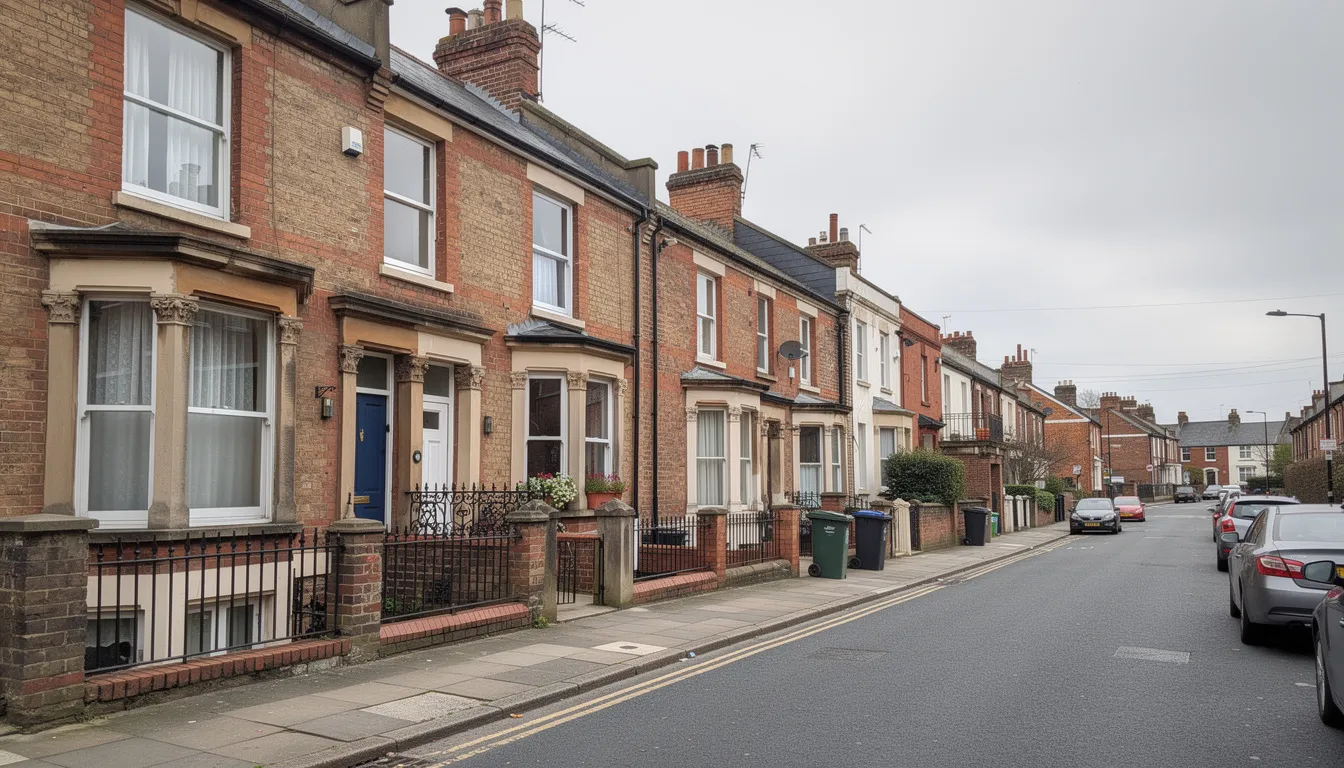
The housing market reality varies dramatically by region:
- London and South East: Price-to-income ratios of 10–12x are common, with some boroughs exceeding 14x average earnings
- South West and East of England: Ratios typically range from 8–10x
- Midlands and Yorkshire: More moderate at 6–7x
- North East and Scotland: Among the most affordable, with ratios closer to 5–6x
These regional disparities mean that in much of southern England, even a household income of £60,000 cannot comfortably afford a family home using conventional lending caps. The traditional 4.5x limit, which might allow you to borrow around £270,000, falls well short of what’s needed.
Regulators and lenders have responded to this pressure. Following changes in 2024 and into 2025, the Bank of England relaxed some stress-testing rules, giving lenders more flexibility. However, strict portfolio caps remain in place, typically limiting high LTI lending to around 15–20% of a lender’s new mortgage book.
This means 6x income mortgages, or mortgages based on lending up to six times salary, are one tool among several that can help close the affordability gap when used sensibly. Notably, Nationwide’s Helping Hand mortgage allows first-time buyers to borrow up to six times their income with just a 5% deposit. The Helping Hand mortgage enables first-time buyers to borrow significantly more than traditional income multiples, making homeownership more accessible in high-priced regions.
How Mortgage Lenders Are Responding: The Rise of 6x Income
For decades, most lenders stuck to a conservative approach. Borrowing 4–4.5 times your annual income was the standard, reflecting both regulatory guidance and risk appetite. This remains the norm for the majority of borrowers today, and it’s the starting point for almost every mortgage application.
However, the persistent gap between wage growth and property price inflation has pushed lenders to innovate. Several have introduced dedicated “income stretch” or professional ranges that allow 5.5–7x income for carefully selected cases. These products recognise that a higher earner with stable employment and minimal debts may safely service a larger loan without materially increased risk.
The regulatory framework has evolved too. The Bank of England and Prudential Regulation Authority removed the old affordability “stress test” formula that added a buffer on top of standard variable rates. However, the cap on loans above 4.5x income remains, typically around 15–20% of new lending per lender. This creates a limited pool of high multiple lending that lenders must allocate carefully.
Each bank uses its own affordability calculator as part of the lender’s criteria for approval, factoring in:
- Tax and national insurance deductions
- Childcare and dependent costs
- Existing credit commitments (loans, credit cards, car finance)
- Regular spending patterns
- Future interest rates under stress scenarios
Affordability checks for high-multiplier loans include assessing committed expenditure, debt, and lifestyle costs, and often include strain tests for interest rate rises.
This means that even where a lender advertises 6x income, your actual approval depends entirely on passing these models. A borrower with significant monthly payments on other debts may find their effective borrowing power reduced well below the headline multiple.
Fox Davidson continually monitors lender’s criteria and product changes so we can quickly identify opportunities where higher multiples are realistic for your profile.
Which Mortgage Lenders Offer 6x (and Above) Income?
The following lenders have been identified as offering income multiples of 6x or higher under specific conditions, including Nationwide for Intermediaries, Bank of Ireland Bespoke, Kensington, and Newcastle for Intermediaries. This reflects criteria as at early 2026 and is for guidance only, not a guarantee of acceptance. Lender appetite and product availability can shift rapidly based on market conditions and portfolio composition.
It’s worth noting how many lenders have expanded their offerings in response to affordability pressures. While the high street lenders traditionally capped at 4.5x, several specialist and mainstream providers now go further for the right cases, but decisions also depend on other factors such as credit history, outgoings, and overall financial profile.
Some other lenders and private banks may consider even higher multiples for high-net-worth clients on a case-by-case basis. These typically require significant assets, investment relationships, or income well above standard thresholds.
Most of these products are broker-only or significantly easier to access via an intermediary. This is where working with Fox Davidson adds real value—we know which lenders have appetite, which are close to their LTI limits, and how to present your case for the best deal.
Lenders and 6x Income Criteria at a Glance
Understanding the specific eligibility criteria for each lender helps you assess much you can borrow and whether you’re a realistic candidate. The table below expands on the key requirements.
Lender | Maximum Income Multiple | Minimum Income Threshold | Typical Deposit / LTV | Key Features & Eligibility Notes |
|---|---|---|---|---|
Nationwide | 6x | £30,000 (single) / £50,000 (joint) | 5% deposit minimum | First-time buyers only via Helping Hand; 5- or 10-year fixed rate mandatory; not for remortgages |
HSBC | 6.5x | £75,000+ | Standard LTV tiers | Premier customer status required; higher earner focus; available for purchases and remortgages |
Bank of Ireland Bespoke | 6x | £50,000 (single) / £75,000 (joint) | 10% deposit minimum | Broker-only; loans £150k–£2.5m; designed for complex cases with strict golden rules |
Perenna | 6x | Affordability-based | 5–10% typical | Long fixed terms up to 40 years; broker-only; suits time buyers needing stretch |
April Mortgages | 7x | £24,000–£50,000+ | 0–10% deposit options | Afford Ability+ product; 10–15+ year fixes; first-time/home movers/remortgages; stable income focus |
Teachers Building Society | 7x | £200,000 household income | Standard LTV | Education professionals and partners; England/Wales only; building society flexibility |
Hodge | 6x | £75,000+ | 20% deposit (80% LTV max) | Professionals scheme; considers bonuses and complex income; broker-only |
Kensington Mortgages | 6x | £35,000 (single) / £50,000 (joint) | 10–15% deposit | Qualified professionals only (listed professions); specialist young professional focus; broker-only |
Metro Bank | 6x | £70,000+ | Varies by case | Core product at 5x; extends to 6x for strong earners; stable income essential |
Precise Mortgages | 6x | Criteria-based | Up to 97% LTV (with fees) | Maximum loan £5m; 40-year terms; specialist residential; recent affordability boosts |
High LTI allocations are limited for each lender, so availability can depend on timing within their lending cycle, property type, and overall risk appetite. A lender offering 6x income in January may have exhausted their quota by March. This is precisely why working with a mortgage broker who tracks these movements daily provides a genuine advantage.

Who Can Qualify for a 6x Income Mortgage?
Borrowing 6 times your salary isn’t available to every mortgage applicant. These products are typically restricted to lower-risk profiles where lenders feel confident about repayment capacity.
If you’re considering this route, understanding what makes a strong candidate can help you prepare. Many mortgage lenders offering 6x income have specific programs to help first time buyers borrow more, making it possible for them to access higher loan amounts than with standard criteria.
For example, first-time buyers using the Helping Hand scheme can borrow on average £28,000 more than with traditional lending criteria. Since its introduction, the Helping Hand mortgage has seen a 53% increase in first-time buyers taking out the mortgage, highlighting its popularity and effectiveness.
Typical eligibility themes include:
- Higher incomes: Many 6x products require minimum income of £50,000–£75,000+, though some like Nationwide start from £30,000 for single applicants
- Stable employment: Lenders favour permanent contracts, long tenure with employers, or established self employed trading history
- Professional occupations: Several schemes target qualified professionals (doctors, lawyers, accountants, architects, surveyors)
- Clean credit history: No recent defaults, CCJs, or missed payments; low utilisation of existing credit
- Low unsecured debts: Minimal credit card balances, personal loans, or car finance commitments
Deposit levels matter too. While some lenders offer 6x with a small deposit of just 5–10%, many borrowers find approval easier with a larger deposit or lower LTV. A 20% deposit size often opens more doors than a 10% one, as it reduces lender exposure and may qualify for better interest rates.
Fox Davidson will review your income types, whether basic salary, bonuses, overtime, self employed profits, or contractor day rates, to match you to lenders that are most generous with your specific profile. Not all lenders treat income the same way, and knowing which to approach can make the difference between rejection and approval.
Key Factors Lenders Assess
When evaluating a 6x income mortgage application, lenders scrutinise several core categories:
- Verified income: Payslips, P60s, SA302 tax calculations, company accounts for self employed applicants
- Existing credit commitments: Outstanding loans, credit cards, HP agreements, student loans
- Regular outgoings: Childcare costs, school fees, maintenance payments, car finance, subscriptions
- Credit score and record: Payment history, defaults, CCJs, use of overdrafts, credit utilisation
- Property type: Standard residential properties are straightforward; unusual constructions or leasehold complications may face additional scrutiny
Strong credit history is usually non-negotiable for 6x lending. Lenders want to see on-time payments, low credit utilisation, and no recent adverse markers. Even small issues from several years ago can affect your options with certain lenders.
Be aware that some lenders will “shade” income, counting only 50–75% of bonuses, overtime, or commission. This reduces your effective borrowing power in practice, even if the headline multiple appears generous.
Preparation helps
Preparation helps. Gathering payslips, P60s, SA302s, tax calculations, and three months of bank statements before approaching lenders allows Fox Davidson to pre-assess your affordability before any credit searches impact your file.
Worked example: Consider a professional couple, perhaps a solicitor and an accountant, with joint income of £90,000, limited debts (just a small car finance payment), and a 10% deposit saved. Based on a 6x salary calculation, they could borrow up to £540,000. With their deposit adding £60,000, their maximum loan amount for property purchase reaches £600,000. This opens up far more of the property ladder than the £405,000 limit under traditional 4.5x rules.
Benefits and Risks of Borrowing 6x Your Income
Stretching to borrow up to six times your income can help buyers reach suitable properties sooner. But it’s not a decision to take lightly. Understanding both sides helps you make an informed choice about your maximum borrowing.
Benefits
- Access more expensive areas: In regions where house prices significantly exceed traditional lending limits, 6x income can bridge the gap
- Reduce compromises: Less pressure to accept smaller properties, longer commutes, or less desirable locations
- Avoid prolonged saving: In fast-rising markets, waiting years to save a larger deposit can mean watching prices outpace your savings
- Get onto the property ladder sooner: For many borrowers, especially in their late 20s and 30s, time matters
Risks
- Higher monthly payments: Borrowing more money means larger mortgage repayments each month, reducing disposable income
- Interest rate exposure: When your fixed rate ends, you’ll face remortgage at prevailing rates—potentially significantly higher interest rates
- Tighter household budgets: Less flexibility for unexpected expenses, lifestyle changes, or savings
- Reduced resilience: Job loss, illness, or reduced hours have more severe consequences when mortgage payments consume a larger share of income
Lenders perform detailed affordability checks and stress-testing precisely to reduce the risk of over-borrowing. But personal comfort level and long-term plans still matter. Can you afford your mortgage payments if one partner takes parental leave? What if interest rates rise 2% at remortgage?
Fox Davidson will always discuss alternative strategies rather than automatically pushing to the maximum multiple. Sometimes a slightly lower borrowing figure, longer mortgage term, adding joint borrowers, or using shared ownership schemes produces a better outcome than maximising your 6x income limit.
Are 6x Income Mortgages More Expensive?
High LTI products often carry slightly higher interest rate premiums or fees compared to the lender’s core range. This reflects the perceived additional risk of lending at elevated multiples.
Common pricing characteristics include:
- Longer fixed rate requirements: Some schemes mandate 5–10 year fixes (like Nationwide’s approach), locking in both rate and commitment period
- Premium rates: Specialist or professional-only ranges (Hodge, Kensington, Teachers) may price above mainstream high street lenders rates
- Product fees: Some high multiple products carry higher arrangement fees
When comparing options, look at the “true cost” over the fixed period—not just headline rate. Factor in:
- Arrangement and booking fees
- Cashback or incentives
- Flexibility (overpayments, porting, early repayment charges)
- What rate you’ll likely face at remortgage
Fox Davidson reviews options across the uk mortgage market to assess whether a slightly lower multiple at a much cheaper rate might actually be better than maximising borrowing at a premium rate. Sometimes paying a slightly higher interest rate for the flexibility of a shorter fix makes sense. Other times, locking in for longer at a competitive rate provides valuable security.
How Fox Davidson Helps You Access 6x Income Lending
Fox Davidson has comprehensive access to the UK mortgage market, offering online mortgage advice we are a UK-wide mortgage and property finance brokerage. We regularly arrange higher income multiple residential mortgages for professionals and first time buyers navigating the challenging housing market.

Our typical process for 6x income cases:
- Initial consultation: A no-obligation discussion about your situation, income, deposit, and property goals
- Detailed affordability review: We analyse your income, debts, and spending against multiple lender calculators
- Lender matching: Identifying which of the following lenders suits your profile and has current appetite
- Agreement in principle: Obtaining provisional approval before you commit to a property
- Full application management: Handling documentation, underwriter queries, and valuations through to offer
The added value we provide
- Up-to-date knowledge of lender criteria – we know which lenders are currently writing 6x business and which have hit their quota
- Personal relationships with underwriters at specialist and mainstream lenders
- Experience presenting strong cases where 6x borrowing is justifiable
- Access to intermediary-only products not available directly to borrowers
If you’re wondering whether you’re eligible for a 6x income mortgage, we’d encourage you to get in touch. Our initial consultation is free, and we’ll give you an honest assessment of your options, whether that’s a high multiple mortgage based on your profile or an alternative route to the property ladder.
Important: Your home may be repossessed if you do not keep up repayments on a mortgage secured on it.
When a Broker Is Essential
Using Fox Davidson is particularly valuable in scenarios where straightforward applications rarely succeed:
- High earners pushing above 5x income: Accessing limited 6x allocations requires knowing which lenders have appetite today
- Complex income: Self employed, contractors, multiple income sources, or those with bonus-heavy pay structures
- Recent career changes: New jobs, promotions, or industry switches require careful lender selection
- Tight deposit positions: When deposit size limits your LTV options, we find lenders who are generous at higher LTVs
- Professional qualification routes: Matching specific professions to lenders who actively want that demographic
Many 6x products are intermediary-only or significantly easier to secure with broker support due to strict packaging and evidence requirements. A poorly presented application can fail even when the underlying case is strong.
Fox Davidson can also advise on alternatives: joint borrower sole proprietor structures (where a family member joins the mortgage without owning the property), income from up to 4 applicants or low deposit schemes as little as £5k in 2026.
We assist with remortgaging from existing high LTI deals too, assessing whether remaining at 6x makes sense or whether de-gearing your additional borrowing provides more financial resilience.
Engage early. Ideally, speak to us before offering on a property. This way, affordability and lender appetite for 6x can be confirmed in advance, giving you confidence when making an offer.
Speak to a specialist mortgage broker. Call email or complete our online enquiry form.
FAQs About 6x Income Mortgages
Yes, several lenders specifically target first time buyers with 6x income products. Nationwide’s Helping Hand scheme is one prominent example. However, you’ll still need to meet income thresholds, pass affordability checks, and demonstrate clean credit. Being a first-time buyer can actually help, as some products are exclusive to this
A 6x income mortgage (also called a 6 times salary mortgage) allows you to borrow up to six times your annual gross household income for a home purchase or remortgage. Standard UK mortgages typically cap at 4–4.5 times income, but some lenders offer 6x (or higher) under specific conditions like strong affordability, good credit, and often for first-time buyers or professionals. This can significantly boost borrowing power—for example, £50,000 joint income could mean up to £300,000 instead of £225,000 at 4.5x.
Eligibility for 6x income mortgages varies by lender but often includes first-time buyers (e.g. Nationwide’s Helping Hand at 6x with 5% deposit, minimum £30k single/£50k joint income), high earners (£50k–£75k+), qualified professionals (e.g. doctors, teachers, lawyers via Kensington or Teachers Building Society), or those with clean credit and low outgoings. Specialist lenders like April Mortgages (up to 7x), Perenna, Hodge, and Precise also offer 6x in targeted cases. Not everyone qualifies, lenders stress-test affordability strictly under Bank of England rules.
As of January 2026, key lenders offering 6x (or higher) include: Nationwide (6x for first-time buyers via Helping Hand), HSBC (up to 6.5x for Premier customers £75k+ income), April Mortgages (up to 7x), Perenna (6x broker-only), Hodge (6x for high earners/professionals), Kensington Mortgages (6x for qualified professionals), Teachers Building Society (up to 7x for education sector), Precise Mortgages (6x specialist), Bank of Ireland Bespoke (6x intermediary-only), and Metro Bank (6x for £70k+ earners). Availability depends on your profile, use a broker for the best match.
Yes, borrowing 6x income carries higher risk than standard 4–4.5x multiples because monthly payments take a larger share of your income, leaving less buffer for interest rate rises, job changes, or life events. Lenders apply strict affordability stress tests (e.g. checking you can afford payments at higher rates), but over-stretching can lead to financial pressure. It suits those with stable/high incomes, low debts, and good savings. Always get independent advice and consider if a lower multiple or bigger deposit reduces risk.
Start with a reputable, specialist mortgage broker (like Fox Davidson or other specialist intermediaries) who can access lenders offering 6x multiples. Provide proof of income (payslips, tax returns), credit report, outgoings, and deposit details. Get an Agreement in Principle first to check eligibility without a hard credit search. Compare via affordability calculators on lender sites (e.g. Nationwide), then submit a full application. High-LTI loans are limited by regulation, so professional advice is key to maximise chances and find the right deal.