
Key Points Summary
- Mortgages for flats above commercial premises are available but subject to stricter criteria than standard residential properties.
- Specialist lenders and mortgage brokers play a crucial role in securing financing for these properties.
- The type of commercial business below the flat significantly affects lender decisions due to concerns about noise, smells, security, and resale value.
- Residential mortgages are available for owner-occupiers, with typical income multiples around 4.0–4.5 times joint income and loan-to-value (LTV) ratios varying by risk category.
- Buy to let mortgages require rental income to cover mortgage interest payments by 125–145%, with lower LTVs and higher deposits for flats above higher-risk commercial uses.
- Semi-commercial mortgages are needed when purchasing both the flat and the commercial unit, with lending criteria differing from standard residential mortgages.
- Bridging finance and development funding options exist for properties requiring refurbishment or conversion to meet mortgage criteria.
- Legal and management complexities, including lease terms, service charges, and insurance premiums, are important considerations for buyers.
- Specialist advice is recommended for buyers with adverse credit, older borrowers, or those purchasing small or unusual flats.
📞 Call for immediate expert advice. 💻 Complete our enquiry form 📧 Email outline your requirements
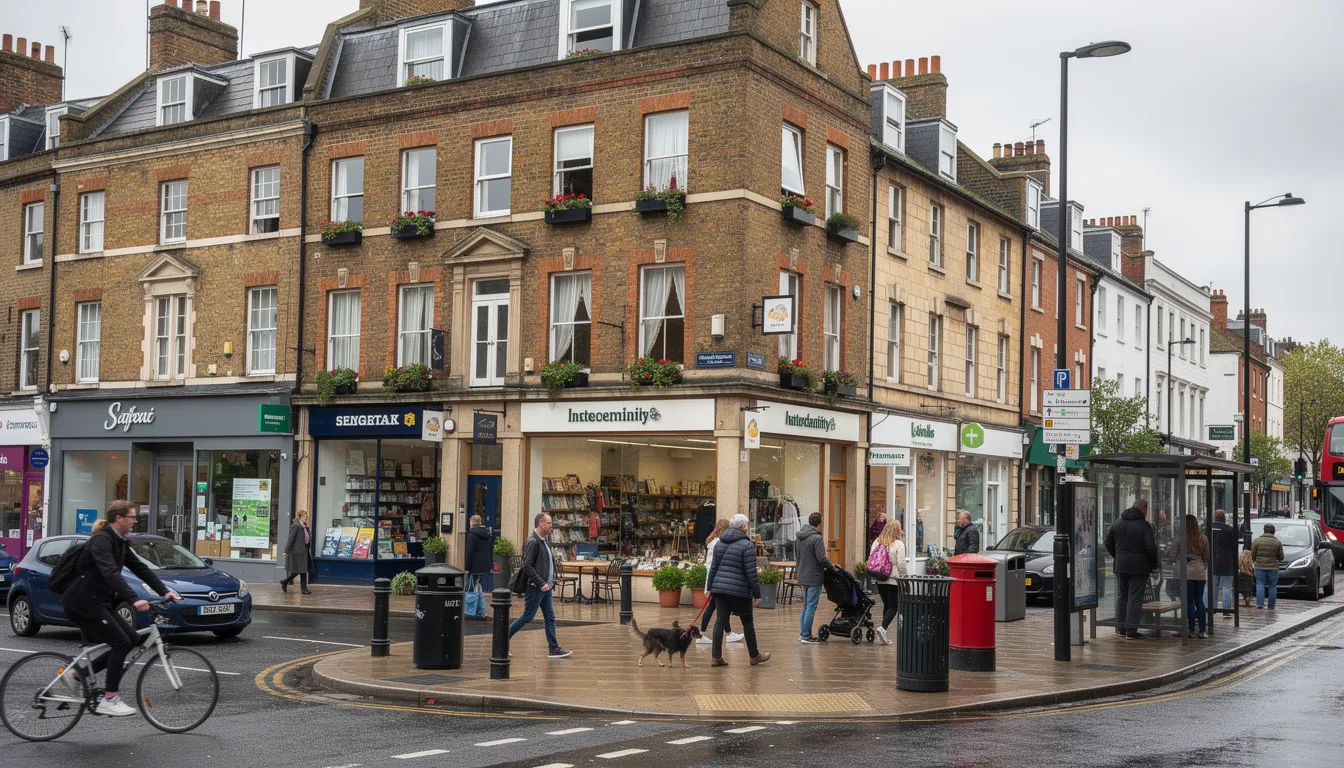
Can You Get a Mortgage on a Flat Above Commercial Premises?
Mortgages for flats above commercial premises are available for both owner-occupiers and investors, but the criteria are generally more stringent than for standard flats. Not all lenders consider these properties due to perceived higher risks. These risks include potential disturbances such as noise and smells, security concerns, and challenges with resale value.
Fewer mainstream lenders offer mortgages for flats above commercial properties, making it essential to find the right lender and understand the unique lending criteria. Specialist lenders often require larger deposits and have more detailed underwriting processes.
Certain high-street lenders and building societies restrict lending on flats above specific commercial premises such as shops, cafés, takeaways, pubs, bars, and dry cleaners. This is primarily due to concerns about the property’s resale value and the impact of late-night noise, food smells, and potential security issues. However, other lenders with experience in commercial property and mixed-use buildings are more flexible.
Working with a specialist mortgage broker can provide access to a wider range of lenders familiar with these property types. Brokers understand which lenders accept applications for different commercial use categories and how to structure mortgage applications to maximise approval chances.
Mortgage deals for flats above commercial premises can range from £150,000 to multi-million-pound investments, catering to first-time buyers, landlords, and developers alike. Navigating this market requires specialist knowledge due to the limited number of lenders and nuanced lending criteria.
Mortgages for flats above commercial premises are available nationwide across England, Wales, and Scotland.
What Counts as a “Flat Above Commercial Premises” and Why Lenders Care
A flat above commercial premises refers to any residential property located directly above or adjacent to commercial units. Examples include flats above retail shops (A1/A2 use), such as convenience stores, estate agents, dry cleaners, cafés, takeaways, pubs, restaurants, offices, salons, bookmakers, pet shops, workshops, and mini-supermarkets.
The type of business operating below the flat significantly affects both the living experience and mortgage application process. Some businesses cause more disturbances and are considered higher risk by lenders.
Mortgage lenders categorise these properties based on the commercial use below:
- Low-risk uses: offices, standard retail shops, professional services. These attract more mainstream lender interest and typically require smaller deposits.
- Higher-risk uses: hot food takeaways, late-night venues, chip shops, dry cleaners. These face more resistance from lenders and often require larger deposits.
Mixed-use or semi-commercial blocks where the buyer owns both the flat and the commercial unit require specialist commercial mortgage products rather than standard residential lending.
Lenders assess several factors when considering flats above commercial premises:
- Saleability to potential buyers
- Noise levels from the business below
- Smells, especially from food outlets
- Fire risk associated with cooking operations
- Opening hours that might disturb residents
- Potential future changes of use that could reduce desirability
In 2024–2025, the valuer’s comments in the RICS valuation report are often decisive in lending decisions. Surveyors highlight concerns about resale value or note if the commercial use below could deter future buyers. Such comments may lead some lenders to reduce the maximum LTV available or decline the application altogether. This emphasises the importance of working with brokers who understand how to present these applications effectively.
Residential Mortgages for Owner-Occupiers Above Commercial Premises
Residential mortgages are available if you plan to live in the flat as your main home or as a second home, even when it is located above or next to a shop or business. Lenders assess applications using criteria similar to those for standard residential properties, with adjustments to account for the commercial element.
Typical lending parameters as of 2024 include:
- Income multiples: 4.0–4.5 times joint income, with some lenders offering up to 5.5–6 times for certain professions or high earners.
- Loan-to-value (LTV): up to 90–95% for flats above low-risk commercial uses (e.g., offices, quiet retail), often capped at 75–85% for flats above higher-risk commercial uses (e.g., takeaways, bars, off-licences).
- Higher deposit requirements and potentially higher interest rate margins for properties above hot food takeaways or pubs.
Underwriters consider several factors beyond the commercial use below, including:
- Personal income and outgoings to determine affordability
- Credit profile and employment stability
- Location and comparable sales data
- Lease length, ground rent, and service charges, especially in light of recent leasehold reforms
For second-home mortgages on flats above commercial premises, lenders typically require larger deposits (20–25% or more) and consider existing mortgage commitments and financial obligations. Interest rates may be higher due to the increased risk associated with second homes.
Example: A professional couple with a combined income of £100,000 wishes to purchase a £400,000 flat above a convenience store in a city centre. With a clean credit history and a long lease above an A1 retail use, they could secure 80% LTV, requiring an £80,000 deposit. Monthly mortgage repayments on a 25-year term at current rates would be assessed against their income after accounting for service charges and other commitments.
Buy to Let Mortgages for Flats Above Shops and Commercial Units
If the flat will be rented out rather than owner-occupied, a buy to let (BTL) mortgage is usually required. For larger blocks containing multiple flats above commercial units, specialist investment mortgages may be more appropriate.
Standard BTL mortgages for flats above shops share most characteristics with regular buy to let lending. The majority are structured as interest-only, with the original loan amount repaid via sale, refinance, or other funds at the end of the mortgage term.
Unlike residential mortgages, where personal income drives borrowing capacity, BTL loan size is typically determined by rental income stress tests. Lenders require rental income to cover 125–145% of the mortgage interest at a stressed rate, typically 5–7%, depending on tax band and lender policy.
From 2024 onwards, some lenders have introduced more flexible stress tests for five-year fixed rates, easing the demonstration that rental income adequately covers mortgage repayments.
Flats above higher-risk premises such as takeaways, bars, or betting shops commonly have lower maximum LTVs, often capped at 70–75% rather than the 80% available for standard BTL. They may also attract slightly higher rates and arrangement fees. Some lenders require landlords to have more experience or insist on limited company ownership for these properties.
Specialist brokers can arrange limited company buy to let mortgages for special purpose vehicles (SPVs) or trading companies, which are increasingly popular for tax efficiency and portfolio management. They also handle mortgages for houses in multiple occupation (HMOs) and multi-unit freehold blocks (MUFBs) with several flats above a parade of shops, requiring specialist underwriting expertise.
Example: An investor purchases a £300,000 flat above a hairdresser in Manchester, generating rental income of £1,400 per month (£16,800 annually). At a 140% stress test on a 5.5% rate, the lender requires annual rent to cover at least £11,550 in interest. With £16,800 rental income, this property comfortably passes at 145% coverage. At 75% LTV, the investor needs a £75,000 deposit plus purchase costs.

How Much Can You Borrow? Deposits and Typical Criteria
Borrowing limits for mortgages on flats above commercial premises depend on several interconnected factors:
- Whether you are buying as a home or investment
- The commercial use below the flat
- Your personal circumstances and finances
- Whether the purchase is in your personal name or via a company structure
Residential criteria: Income multiples typically range from 4.0 to 4.5 times joint income, with some lenders offering up to 5.5 times for professionals such as doctors, solicitors, or accountants (subject to 2024/25 criteria). For example, a combined income of £80,000 might support borrowing of approximately £320,000–£360,000 if other debts are modest and the property sits above acceptable commercial uses.
Deposit expectations by risk category:
- Flats above low-risk commercial uses (offices, estate agents, standard retail with good lease terms) may require deposits of 10–15%.
- Flats above or adjacent to hot food takeaways, late-night venues, dry cleaners, or bookmakers typically require 20–25% or more.
- More complex cases involving adverse credit, unusual construction, or challenging commercial uses may require deposits of 25–40%.
BTL and investment criteria: LTV is usually capped at 75% for flats above commercial premises in England and Wales as of 2024. Specialist lenders may offer higher LTVs for experienced landlords with strong portfolios. First-time landlords, ex-local authority flats, or flats above pubs and takeaways often require higher deposits of 30–40%. For instance, an investor buying a £500,000 flat above a restaurant may need a deposit of £150,000–£200,000 depending on lender appetite and personal circumstances.
Other key conditions:
- Minimum flat size requirements typically start at 30 square metres, though specialist lenders may consider smaller units in prime city centre locations where demand supports values.
- Minimum unexpired lease terms commonly sit at 70–85 years at application, with some lenders requiring 80+ years for comfortable lending.
- Ground rent structures face scrutiny following leasehold reforms, with most lenders requiring no doubling clauses and ground rent capped at 0.1% of property value or set at a fixed peppercorn amount.
Mortgages When You Also Own the Shop: Semi-Commercial and Mixed-Use Mortgages
Semi-commercial or mixed-use properties contain at least one residential unit plus at least one commercial unit within the same building, typically a ground-floor shop with flats above held on a single freehold or long leasehold title.
Purchasing both the flat and the shop on one title usually requires a semi-commercial mortgage or commercial investment mortgage rather than a standard residential or simple buy to let product. Lending criteria, deposit requirements, and available lenders differ significantly from pure residential lending.
Two main financing approaches exist:
- A single combined semi-commercial mortgage across the whole property, treating it as one investment asset.
- Two separate loans: a commercial mortgage on the shop and a residential or buy to let mortgage on the flat, which typically requires separate titles created through a legal process.
Lenders assess semi-commercial loans by examining the blended rental income from both shop and flats. The quality of the commercial tenant’s lease, including length, rent review pattern, and financial strength (covenant strength), is critical. The applicant’s experience as an investor or business owner also influences lender confidence, with more experienced borrowers often accessing better terms.
Specialist brokers arrange semi-commercial mortgage funding from around £250,000 upwards, working with investors purchasing income-producing mixed-use buildings, owner-occupiers planning to run their business in the shop below their home, and developers converting upper floors of commercial buildings into residential flats.
Example: A client wishes to purchase a freehold building in Bristol comprising a ground-floor café with two self-contained flats above, priced at £900,000. The café generates £30,000 annual rent on a ten-year lease, while the flats produce combined rental income of £36,000. Using a semi-commercial lender comfortable with food and drink uses at ground floor level, funding is arranged at 65% LTV, requiring a £315,000 deposit. The blended yield of approximately 7.3% supports the lending decision.
Bridging Finance and Development Funding for Flats Above Commercial Premises
Bridging loans provide short-term finance solutions for buyers and developers working with flats above commercial premises when standard mortgages are unavailable or insufficient.
Common uses include:
- Auction purchases with tight completion deadlines
- Acquiring unmortgageable flats due to short leases or missing facilities
- Funding refurbishment, conversion, or title split projects to make units mortgageable for refinance
- Development finance for ground-up construction or heavy refurbishment involving multiple residential units above commercial premises
Bridging loans typically run for 6–24 months with interest often rolled up and repaid upon refinance or sale. Interest rates are higher than standard mortgages due to increased risk and flexibility but can complete rapidly, sometimes within 7–14 days for straightforward cases.
Examples of projects funded include converting storage or office space above shops into self-contained flats, extending leases and upgrading fire safety systems, and splitting freehold titles to enhance resale value and refinance options.
Development finance facilities start from around £250,000 with no formal upper limit for experienced developers. Market conditions in 2024–25 show increased demand due to tighter timelines, changing valuer expectations, and fire regulation upgrades affecting blocks above commercial units.
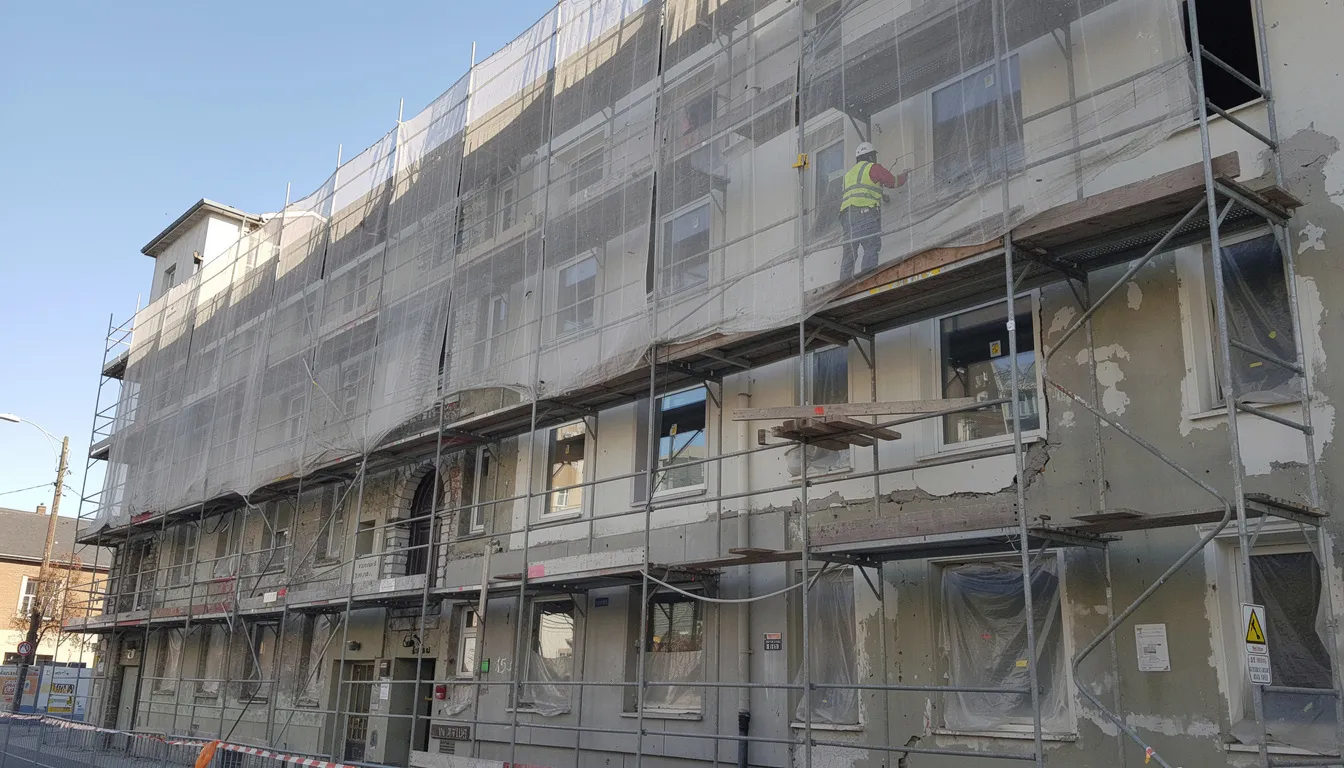
Key Factors Lenders Assess on Flats Above Commercial Premises
Lenders evaluate two main risk categories when considering mortgage applications for flats above commercial premises:
- Borrower profile: income, credit history, experience
- Property-specific factors: location, construction, commercial activity below
Property-specific factors include:
- Type of business below: offices or professional services are low risk; late-night takeaways or bars are higher risk due to noise, smells, and resale impact.
- Opening hours, footfall patterns, and potential effect on future buyer or tenant demand.
- Construction type: standard brick buildings are preferred over non-standard constructions such as steel frames or unusual cladding.
- Tenure and legal structure: leasehold, share of freehold, or rare freehold flats affect lending options. Lease length is critical, with issues arising below 70–80 years remaining.
- Service charge arrangements, especially the commercial unit’s contribution to building costs.
- RICS valuation reports and local comparable sales data heavily influence lending decisions.
- Insurance arrangements, particularly for blocks with higher fire or security risk due to cooking operations or late-night trading.
Example: A flat above a supermarket in London Zone 2 might be declined by one lender due to delivery lorry noise and limited comparables, while another lender experienced with mixed-use properties might lend at 75% LTV, recognising the supermarket’s stable footfall and strong tenant lease.
Practical Issues for Buyers and Investors: Leases, Service Charges & Insurance
Flats above commercial premises often involve more complex legal and management structures than standard residential blocks. Understanding these complexities before purchase helps avoid costly surprises.
Lease and management considerations: Engage a solicitor experienced with mixed-use properties to review both the flat lease and, where relevant, the shop lease. Restrictions on use, noise levels, or alterations in the shop lease can support mortgageability by limiting disruptive activities.
The Leasehold and Freehold Reform Act 2024, effective from 3 March 2025, increases the threshold for exercising the right to manage from 25% to 50% commercial floor area, potentially affecting flat owners’ collective management options.
Service charges: Mixed-use blocks usually have higher building insurance premiums and maintenance costs than purely residential buildings. Understanding how costs are divided between commercial and residential units is essential. Typically, shops pay a larger share for structural and roof maintenance, reflecting their ground-floor footprint.
Review at least three years of service charge accounts before exchange to identify any concerning patterns or upcoming major works.
Insurance considerations: Buildings insurance for blocks containing higher-risk businesses such as chip shops or takeaways commands higher premiums due to increased fire risk and late-night trading. Lenders require adequate coverage under the freeholder’s block policy, with sums insured reflecting full reinstatement value.
Where the shop owner operates a higher-risk business, insurance premiums for the entire block may be substantially elevated, with costs passed through to flat owners via service charges.
Example: A buyer of a London flat above a restaurant discovered post-completion that insurance premiums had increased from £2,400 to £4,500 annually due to a new extraction system installed by the restaurant. Early due diligence on the freeholder’s insurance policy would have revealed this additional cost.
Special Circumstances: Bad Credit, Older Borrowers, and Small Flats
Securing finance for flats above commercial premises remains possible even in challenging personal circumstances, though criteria tighten and deposits typically increase. Specialist advice often identifies routes mainstream brokers overlook.
Bad credit: County Court Judgments (CCJs), defaults, missed payments, or Individual Voluntary Arrangements (IVAs) reduce the pool of lenders willing to consider applications. However, they do not necessarily prevent mortgage approval. Specialist lenders assess adverse credit on a case-by-case basis, considering the age of issues, amounts involved, and improvements in circumstances. Obtaining a full multi-agency credit report before applying helps identify lender views. Higher deposits and interest rates typically apply, but approval remains achievable for many applicants.
Older borrowers: Standard residential mortgages often impose age caps, typically requiring the mortgage term to end by state retirement age or age 70–75. Buy to let lending offers more flexibility, with some lenders willing to lend up to age 80–90 where the exit strategy is clear, such as sale or refinance. Interest-only products suit older borrowers by keeping monthly costs manageable while repaying the original loan on sale or from estate funds.
Small or unusual flats: Many lenders impose minimum floor area requirements, often 30 square metres for studios. Specialist lenders may consider smaller units in prime city centre locations where demand and values support lending. Valuer comments on layout, natural light, access, and market demand can influence decisions. A well-designed 25 square metre studio in a central location may be more mortgageable than a larger but poorly configured flat in a less desirable area.
Specialist broker involvement benefits these scenarios, as the right lender may accept applications mainstream banks decline. Knowing which lender to approach first saves time and protects credit files from unnecessary searches.
How Specialist Brokers Can Help with Mortgages for Flats Above Commercial Premises
Specialist mortgage brokers focusing on commercial mortgages, semi-commercial lending, bridging finance, and complex residential cases regularly arrange mortgages for flats above commercial premises. They have whole-of-market access to high street banks, challenger banks, and specialist lenders familiar with mixed-use properties.
Typical clients include:
- Professionals buying main residences above shops in major cities
- Landlords expanding portfolios with flats above commercial units
- Developers purchasing blocks or parades for refurbishment or conversion
Brokers begin with detailed fact-finds covering property specifics, lease terms, rental estimates, and exit strategies. They advise on borrowing structures, such as personal name, SPV arrangements, or commercial facilities, tailored to client goals and tax positions.
Services include:
- Free initial, no-obligation consultations by phone or video
- Handling loans from around £250,000 upwards with no formal upper limit
- Nationwide support across England, Wales, and Scotland
- Coordination with solicitors, valuers, and accountants to streamline complex transactions
Early engagement with a specialist broker improves the likelihood of a smooth transaction and successful purchase.

Next Steps When Considering a Flat Above Commercial Premises
Mortgages for flats above commercial premises are achievable with appropriate preparation and expert guidance. Understanding which lenders operate in this space, their assessment criteria, and expected deposit levels is essential to avoid costly surprises.
Recommended steps:
- Gather key information: Obtain details such as asking price, full address, floor area, unexpired lease length, current service charges, ground rent, and the type of business below. This information helps identify suitable lenders and terms.
- Consult a specialist broker early: Especially important for auction purchases or tight completion deadlines. Brokers can confirm funding viability and identify potential issues.
- Obtain an Agreement in Principle (AIP): Secures confirmation of realistic funding, strengthening negotiating positions.
- Instruct experienced legal advisors: Use solicitors with expertise in mixed-use and leasehold properties to review residential and commercial leases. Early legal involvement helps identify issues affecting mortgageability and ongoing costs.
With expert guidance, flats above commercial premises present excellent value compared to other residential properties, offering convenient locations near local amenities, transport links, and employment centres. Whether seeking an affordable home in a prime city location or a strong long-term investment with solid rental yields, these properties merit serious consideration in the 2024–25 market.
Contact a specialist mortgage broker today for a free, no-obligation consultation to discuss your specific requirements and explore financing options for your next purchase.
📞 Call for immediate expert advice. 💻 Complete our enquiry form 📧 Email outline your requirements