
Key Points: Mortgages for Listed Buildings in 2026
- Listed buildings are protected due to their special architectural or historic interest and are classified into grades that affect mortgage eligibility and terms.
- Grade I buildings (2.5% of listings) are the most challenging to finance, requiring specialist lenders and larger deposits.
- Grade II buildings (approximately 92% of listings) are more widely accepted by lenders, often with more competitive loan-to-value ratios.
- Lenders consider listed buildings as non-standard construction, requiring detailed surveys, specialist insurance, and evidence of listed building consent for alterations.
- Mortgage borrowing limits are influenced by income multiples, property condition, and anticipated maintenance costs.
- Buy-to-let mortgages on listed buildings require rental income stress testing, typically covering 125%–145% of mortgage payments.
- Specialist mortgage brokers play a vital role in navigating lender criteria, securing competitive mortgages, and managing the application process.
- Insurance for listed buildings is more expensive due to higher rebuild costs and the need for heritage-appropriate materials.
- The mortgage process for listed buildings involves additional documentation, including heritage reports, planning permissions, and specialist surveys.
- Ownership entails legal responsibilities, including obtaining consent for alterations and budgeting for higher ongoing maintenance costs.
Introduction: Getting a Mortgage on a Listed Building in 2026
A listed building is officially recognised for its special architectural or historic interest and protected under UK law. In England, these properties are recorded on the National Heritage List for England, maintained by Historic England, with similar registers in Scotland, Wales, and Northern Ireland. These buildings reflect national heritage and culture, often featuring unique construction methods and strict alteration regulations. Consequently, mortgage lenders treat listed buildings as non-standard construction, requiring more detailed assessment than modern homes.
As mortgage brokers specialising in listed buildings, we regularly arrange finance for Grade I, Grade II*, and Grade II listed homes, buy-to-let properties, and mixed-use premises across England and Wales. Our experience includes Georgian townhouses, thatched cottages, converted barns, former chapels, and heritage commercial properties such as listed pubs and boutique hotels.
In 2026, the mortgage market for historic properties has become more selective. Higher interest rates, rising insurance premiums, and increased rebuild costs have led lenders to apply more stringent criteria. Properties previously accepted with minimal scrutiny now often require detailed condition reports, maintenance plans, and specialist insurance. Expert mortgage advice is essential to navigate these complexities and secure the right mortgage provider experienced in listed and historic properties.
Most mainstream lenders will consider well-maintained Grade II residential properties with conventional layouts and materials. However, Grade I buildings, unusual constructions such as timber frame, cob, thatch or stone barns, and unique conversions like former churches typically require specialist lenders. These lenders operate primarily through experienced brokers who understand their criteria and can present applications effectively.
Throughout this guide, I will explain how listed building mortgages work in 2026, including deposit and loan-to-value expectations, survey and insurance requirements, and how we support clients through the mortgage process from initial enquiry to completion. Whether buying a dream home, investing in a heritage buy-to-let, or refinancing a commercial listed property, this article provides a comprehensive overview of what to expect.
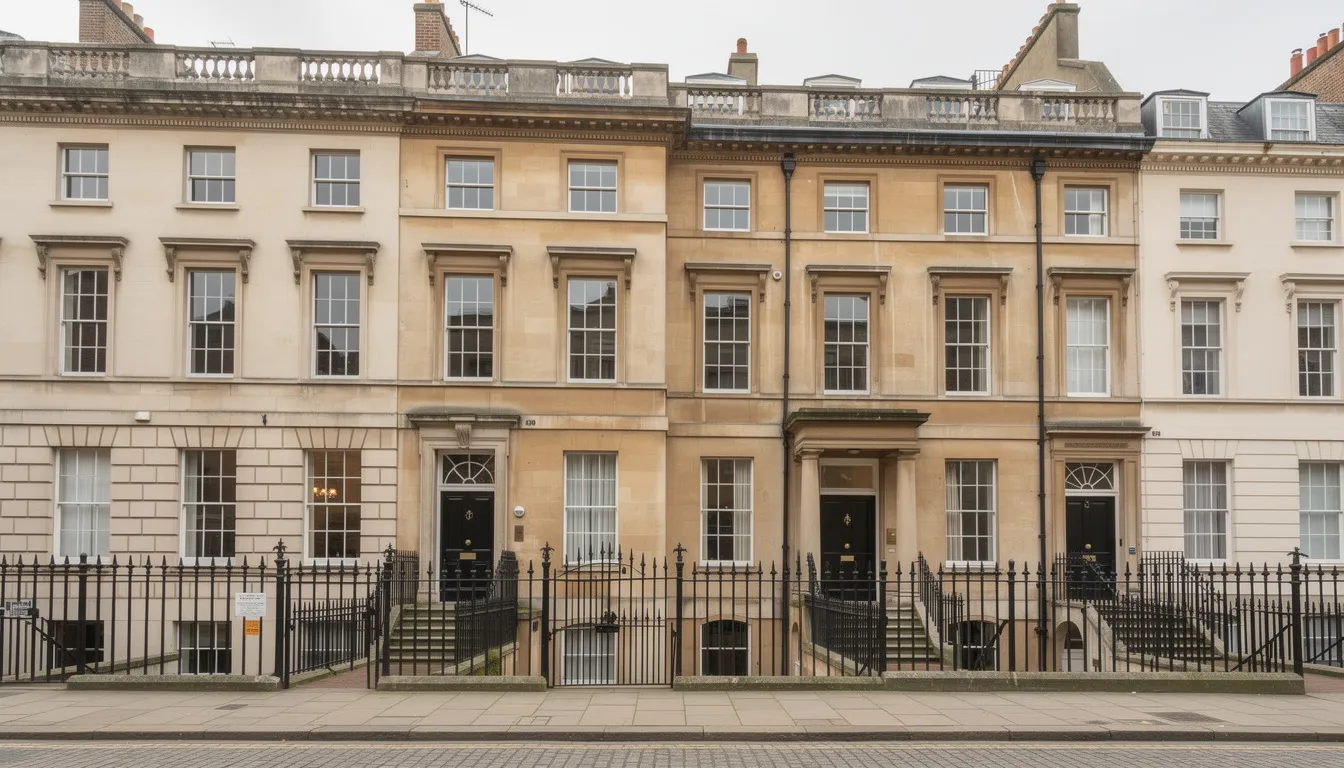
What Is a Listed Building and How Are Grades Defined?
Listed buildings are structures of special historic or architectural interest, recognised for their national importance and protected by law. In England, buildings are categorised into three grades: Grade I, Grade II*, and Grade II. Grade I buildings are of exceptional interest and constitute about 2.5% of all listed buildings in the UK. Grade II buildings are the most common, accounting for approximately 92%.
The designation means that any alterations require listed building consent from the local planning authority. This protection covers the entire building, including interiors and often ancillary structures within its curtilage.
Historic England maintains the National Heritage List for England and advises the government on which buildings merit protection. Listed properties range from grand Georgian townhouses and Regency crescents to modest 17th-century farmhouses, medieval tithe barns, and Victorian industrial buildings. Each building’s listing recognises its architectural and historic significance.
The grading system reflects the level of importance and mortgage complexity:
Grade | Approximate Share of Listed Buildings | Description | Mortgage Complexity |
|---|---|---|---|
Grade I | c. 2.5% | Buildings of exceptional interest, often of national importance | Most challenging; specialist lenders and larger deposits required |
Grade II* | c. 5.5% | Particularly important buildings of more than special interest | Moderate difficulty; fewer lenders and enhanced documentation required |
Grade II | c. 92% | Buildings of special interest warranting preservation | Widest lender choice; many high street lenders consider these properties |
Scotland uses a different system with Category A, B, and C denoting national, regional, and local importance respectively. Northern Ireland has its own grading system. Despite differences in terminology, lenders treat Scottish and Northern Irish listed buildings similarly to English and Welsh grades regarding risk and lending criteria.
The property’s listed status affects which lenders will consider a mortgage application, the maximum loan-to-value offered, and the need for prior consent for alterations. Grade I buildings face the strictest restrictions and smallest pool of lenders, while Grade II properties benefit from broader lender availability and more competitive terms.
Is It Possible to Get a Mortgage on a Listed Building?
Yes, securing a mortgage on a listed building is achievable. Each year, I assist clients across England and Wales with residential purchases, remortgages, buy-to-let investments, and commercial premises involving listed buildings. However, applications are more complex than for standard properties, and not all lenders consider such homes.
Lenders perceive higher risk in listed buildings for several reasons:
- Use of non-standard construction methods such as wattle and daub, solid stone walls, timber framing, cob, or thatch roofing, which are more expensive to repair and maintain.
- The property’s age raises concerns about structural integrity.
- Strict regulations limit alterations, affecting resale potential and marketability.
- Higher insurance and maintenance costs.
Many high street lenders accept only well-maintained Grade II properties with conventional layouts and familiar materials. They often decline properties in poor condition, those needing major structural work, unusual conversions, or buildings with unresolved issues like subsidence or damp.
Specialist lenders, including building societies with heritage expertise, private banks, and niche lenders, consider Grade I, Grade II*, and complex Grade II properties declined by mainstream lenders. These lenders understand historic properties’ nuances and character but usually operate through brokers who can present applications effectively.
Property Type | Typical Maximum Loan-to-Value (2026) | Notes |
|---|---|---|
Grade II Residential (Owner-Occupier) | 80–85% | Strong case with clean survey and good income |
Grade I Residential (Owner-Occupier) | 60–70% | Larger deposit required, fewer lender options |
Grade II Buy-to-Let | 65–75% | Subject to rental income stress tests |
Grade I/II* Commercial | 55–65% | Trading accounts and specialist valuation required |
Working with an experienced specialist mortgage broker is often crucial to secure approval. We know which lenders have appetite for specific property types, documentation requirements, and how to present cases addressing lender concerns.
How Much Can I Borrow on a Listed Building Mortgage in 2026?
Borrowing capacity for listed building mortgages follows similar affordability rules to standard properties but accounts for additional costs and risks associated with historic buildings. Lenders assess income, commitments, credit history, and property condition.
For residential owner-occupiers, many lenders lend around 4.5 to 5 times gross annual income for well-qualified borrowers. Strong profiles may access up to 5.5 times income. For Grade I properties or those with maintenance issues, lenders often cap multiples at 4 to 4.5 times and require larger deposits.
For example, a couple earning £90,000 combined might borrow:
- £405,000 at 4.5 times income
- £495,000 at 5.5 times income (subject to lender criteria)
A straightforward Grade II property in good condition may qualify for the higher amount, while a Grade I manor house with significant maintenance needs might have borrowing capped lower.
Buy-to-let mortgages stress test rental income rather than personal earnings. Lenders require rent to cover 125%–145% of mortgage payments at stress rates of 5.5% to 7%. For example, a Grade II cottage rented at £1,500 per month might support a mortgage of £200,000 to £240,000 depending on lender specifics.
Commercial mortgages on listed buildings assess trading profits. Lenders want interest payments covered 1.25 to 1.5 times by operating profit or EBITDA, supported by two to three years of accounts.
Lenders factor in higher maintenance costs, often lowering borrowing limits compared to modern equivalents.
Deposits, Loan-to-Value, and Typical Terms for Listed Building Mortgages
Deposit requirements vary by property grade, condition, construction, and use. Listed buildings are higher risk, leading to larger deposits and lower loan-to-value (LTV) ratios.
Property Type | Typical Maximum LTV (2026) | Indicative Minimum Deposit | Common Maximum Term |
|---|---|---|---|
Grade II Residential | 75–80% | 15–20% | 25–35 years |
Grade II Buy-to-Let | 70–75% | 25–30% | 20–25 years |
Grade I/II* Residential | 60–70% | 25–40% | 20–25 years |
Heritage Commercial (Pub, Guest House) | 55–65% | 35–45% | 15–20 years |
While some niche lenders may offer higher LTVs for strong applicants and simpler Grade II homes, these are exceptions. Maximum mortgage terms may be capped at 20 to 25 years, increasing monthly payments compared to the typical 30 to 40 years for modern homes.
Habitability, Surveys, and Valuations for Listed Buildings
Lenders require financed properties to be habitable and suitable as security. For listed buildings, this means structural soundness, safe services (water, electricity, drainage, heating), and no unresolved damp or timber decay.
Properties failing these standards may require bridging finance or renovation mortgages until works are completed.
The survey type is critical. Standard mortgage valuations assess value and security suitability but lack detailed condition analysis. For pre-1900 or historic properties, commissioning a full structural survey (Level 3 or building survey) is strongly recommended. Specialist reports on timber, thatch, stonework, or lime mortar may be necessary.
Valuers confirm listed status and grade, check for urgent works, and may recommend retentions—holding part of the mortgage advance until repairs are completed and verified.
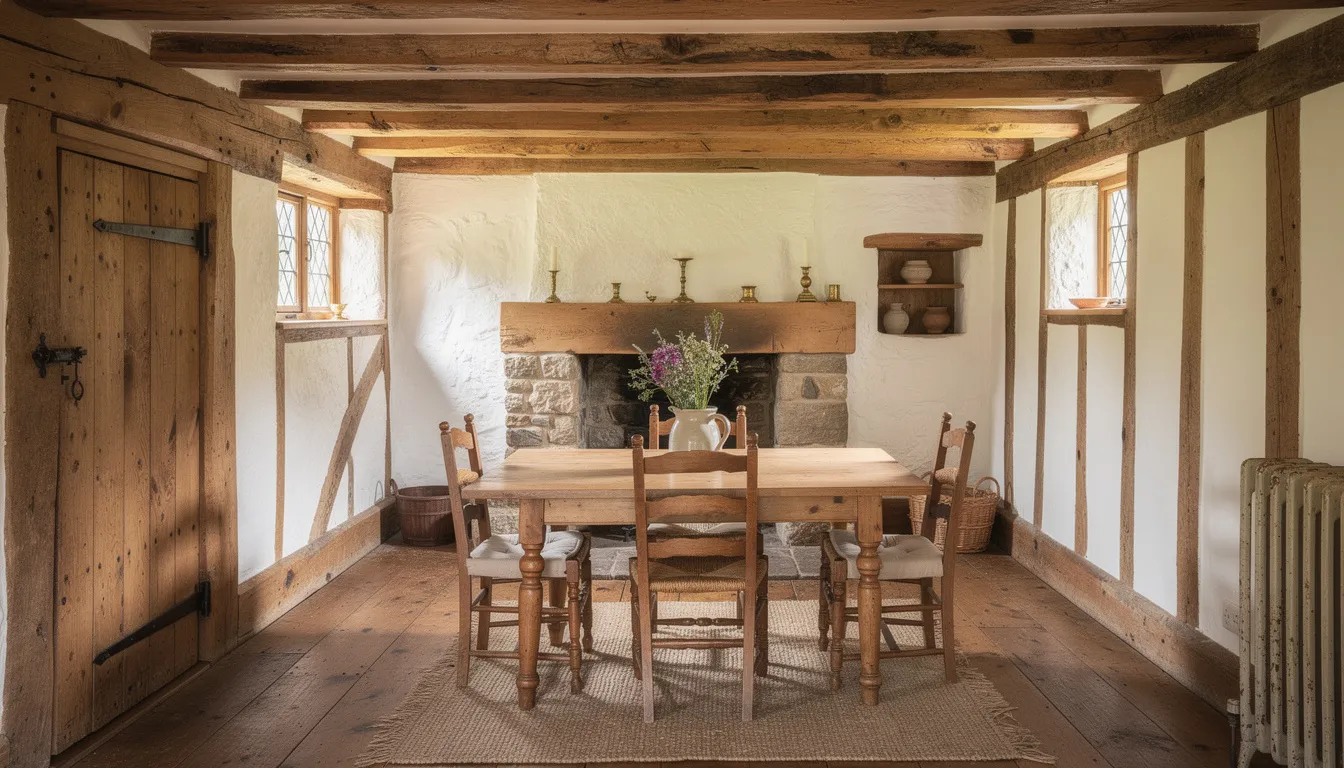
For example, a lender may approve a mortgage subject to a £25,000 retention for damp proofing and roof repairs, releasing funds after completion within an agreed timeframe.
We coordinate timing between client surveys and lender valuations to reduce duplication and delays. Commissioning building surveys before making offers provides negotiation leverage and early insight into mortgageability.
Insurance and Ongoing Maintenance: What Lenders Expect
Specialist Insurance Requirements
Specialist buildings insurance is almost always required for listed properties. Lenders require evidence of coverage before releasing funds. Unlike standard policies, listed building insurance must cover rebuild costs using heritage materials and traditional methods.
In 2026, rebuild costs have risen sharply. Modern brick houses may cost £1,500 to £2,000 per square metre to rebuild, whereas listed buildings requiring hand-made bricks, lime mortar, skilled craftsmanship, and heritage-approved materials can cost £3,000 to £5,000 or more per square metre. Insurance for Grade I and II listed buildings is correspondingly more expensive.
Clients should obtain insurance quotes or firm indications before exchanging contracts. Some lenders insist on proof of insurability for Grade I or thatched properties before issuing mortgage offers. Discovering insurance difficulties post-commitment can cause major problems.
Indemnity insurance may cover costs related to unauthorized works done prior to purchase when rectification is not feasible.
Maintenance Cost Considerations
Lenders factor anticipated extra maintenance costs into affordability assessments. They assess whether applicants budget realistically for periodic works such as re-thatching, repointing, or timber maintenance. Conservation area obligations and Section 106 agreements also impact ongoing responsibilities.
Property Type | Typical Relative Insurance Cost | Typical Relative Annual Maintenance Cost |
|---|---|---|
Standard Modern House | Low | Low (£500–£1,500) |
Grade II Listed Cottage | Medium to High | Medium (£2,000–£6,000) |
Grade I Manor House | High to Very High | High (£8,000–£20,000+) |
These figures vary by size, condition, and location. Both insurance and maintenance costs for listed buildings exceed those for standard properties, and lenders expect borrowers to demonstrate financial capability to manage these expenses alongside mortgage payments.
Mortgages for Grade I, Grade II*, and Grade II Listed Buildings
Lender appetite varies by grade, affecting mortgage availability and terms.
Grade I buildings (2.5% of listings) are of exceptional national interest, including grand country houses and medieval churches. Specialist lenders consider these properties, requiring deposits of 30% to 40% or more, strong incomes, and detailed heritage reports. Documentation and timescales are more demanding.
Grade II* buildings (5.5% of listings) are particularly important with more than special interest. Lenders offering mortgages here are more numerous than for Grade I but still limited. Deposits range from 25% to 35%, with thorough condition scrutiny.
Grade II buildings (92% of listings) include urban Victorian terraces, rural Georgian farmhouses, and modest Edwardian cottages. Lender choice is wider, often including mainstream providers offering competitive rates for well-maintained properties.
Processing times vary: 8 to 12 weeks for Grade I, 4 to 6 weeks for straightforward Grade II cases. Documentation requirements increase with grade complexity.
Special Cases: Thatched Roofs, Barns, Churches, and Other Conversions
Characterful listed homes such as thatched cottages, converted barns, former churches, and other unusual properties require specialist handling for finance.
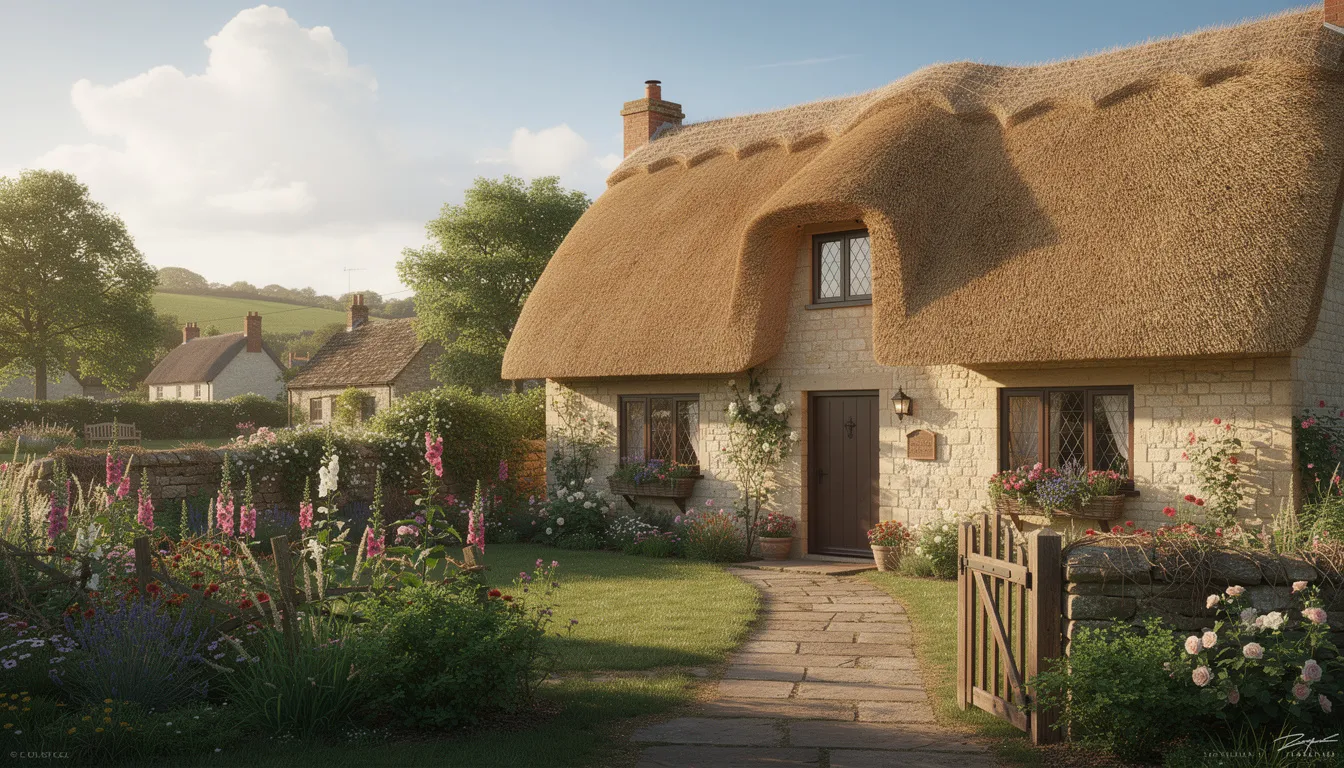
Thatched properties pose fire risk concerns and require robust structural surveys and specialist insurance. Some lenders exclude thatched homes, while others accept them with proper documentation.
Barn conversions require proof of planning permission and listed building consent for conversion works. Lenders focus on structural integrity, particularly timber frames and foundations. Older conversions under previous standards may raise queries, necessitating historical documentation.
Former churches and chapels present layout and covenant challenges. Lenders assess habitability standards, structural soundness, and marketability. Local demand and property uniqueness affect mortgage terms.
Our role is to identify lenders with appetite for specific property types and package applications with appropriate surveys, insurance evidence, and heritage documentation to maximise approval chances.
Buy-to-Let and Commercial Mortgages on Listed Buildings
We arrange finance for listed properties used as investments or trading premises, including buy-to-let mortgages for houses, cottages, HMOs, holiday lets, and commercial mortgages for businesses like pubs and guest houses.
Buy-to-let lenders require rental income to cover 125% to 145% of mortgage interest at stress rates of 5.5% to 7%. Higher-rate taxpayers face stricter criteria. Some lenders require prior experience managing similar listed properties, especially for HMOs or multi-unit blocks. First-time landlords face additional scrutiny, making broker support essential.
Holiday lets benefit from strong demand for characterful historic stays. Specialist lenders assess projected or actual income based on occupancy rates rather than standard assured shorthold tenancy rents.
Commercial mortgages evaluate both property value and business performance. Lenders require 2–3 years of audited accounts demonstrating sustainable debt service. Planning restrictions and conservation obligations are also considered.
We match each case with lenders comfortable with the property’s listed status and intended use.
Step-by-Step: How We Help You Secure a Mortgage on a Listed Building
Our structured process maximises approval chances and minimises delays.
- Initial consultation to discuss property, income, deposit, planned works, and property features.
- Early checks on listing grade, planning history, and potential red flags.
- Lender selection based on appetite for property type and grade.
- Advice on packaging the application with surveys, insurance quotes, and documentation.
- Management of valuation and underwriting communications.
- Liaison with solicitors and lenders through to completion.
Typical timescales range from six to ten weeks from application to offer, longer for Grade I or unusual properties. Early preparation shortens this timeline.
Key Documents and Information You Will Need
Mortgage applications for listed buildings require standard financial and identity documents plus property-specific paperwork:
- Recent payslips, P60 forms, additional income details, and bank statements.
- Tax returns or accounts for self-employed applicants.
- Listing entry from the National Heritage List or equivalent.
- Previous listed building consents and planning permissions.
- Disclosure of enforcement notices or planning issues.
- Specialist surveys, including structural, timber, damp, or thatch reports.
- Evidence of specialist insurance availability.
Providing comprehensive documentation upfront facilitates lender selection and reduces last-minute delays.
Risks, Responsibilities, and Common Pitfalls When Buying a Listed Building
Legal Responsibilities
Owners must preserve the building’s character and obtain listed building consent for alterations. Unauthorized works are criminal offences with potential prosecution and fines. Conservation officers and solicitors experienced in historic properties provide essential guidance.
Common Ownership Pitfalls
Liability for unauthorized works by previous owners may fall on new owners, requiring costly rectifications. Solicitors and surveyors should investigate planning history thoroughly.
Maintenance Cost Considerations
Traditional materials and specialist trades increase maintenance costs. Lenders expect applicants to budget realistically. Demonstrating savings and stable income reassures underwriters.
Buying a Listed Building with Bad Credit
Purchasing a listed building with bad credit is challenging but possible with specialist advice. Many high street lenders decline such cases, especially for Grade I or II properties, but specialist lenders understand the complexities.
Working with a specialist mortgage broker increases access to lenders comfortable with non-standard construction and adverse credit. Expect more stringent criteria, including lower maximum LTVs (60%–75%) and larger deposits.
Alternative finance such as bridging loans may provide short-term solutions but typically carry higher costs.
Transparency about credit history and thorough documentation improve approval chances.
Frequently Asked Questions (FAQs)
Can I get a mortgage on a listed building with bad credit?
Yes, specialist lenders consider applications with bad credit, though criteria are stricter, and larger deposits are often required. Working with an experienced broker improves your chances.
What deposit do I need for a mortgage on a listed building?
Deposits typically range from 15% to 40%, depending on the building’s grade, condition, and lender. Grade II properties usually require 15%–20%, while Grade I may need 25%–40%.
Are buy-to-let mortgages available for listed buildings?
Yes, buy-to-let mortgages are available but often require prior experience managing listed properties. Rental income must cover 125%–145% of mortgage payments under stress testing.
Do I need specialist insurance for a listed building?
Yes, listed buildings require specialist insurance covering heritage rebuild costs using traditional materials. Proof of insurance is usually mandatory before mortgage completion.
Can I make alterations to a listed building?
Alterations require listed building consent from the local planning authority. Unauthorized changes are illegal and may result in prosecution and fines.
How long does the mortgage process take for a listed building?
The process typically takes 6–10 weeks but may be longer for Grade I or complex properties due to additional documentation and surveys.
What surveys are needed for a listed building mortgage?
A full structural survey by a specialist familiar with historic buildings is recommended. Additional reports on timber, thatch, or damp may be necessary depending on property specifics.
Can I remortgage a listed building?
Yes, remortgaging is possible but may require updated surveys and evidence of suitable insurance. Specialist brokers can help find lenders offering competitive terms.
If you are considering purchasing or refinancing a listed building, I encourage you to contact us early. We provide expert advice, access to specialist lenders, and comprehensive support to help you secure the right mortgage for your unique property.